

Just like that young man from Krypton, Multi-Factor Authentication (MFA) swooped in to save us from phishing attacks, stolen passwords, and bad cyber hygiene. But like any good superhero story, the longer it stuck around, the more cracks began to show.
Today, MFA isn’t just a line of defense; it’s also a source of frustration, complacency, and in some cases, new vulnerabilities. Security professionals know it, users feel it, and attackers are learning to exploit it. The ugly truth? We’re suffering from MFA fatigue, and pretending otherwise just makes the problem worse.
The Psychology Behind MFA Fatigue
The biggest threat to MFA isn’t the hacker, it’s human behavior. Every time a user gets another authentication prompt, another code to copy, or another app to open, a small amount of cognitive friction builds up. Over time, that friction turns into fatigue and, before you know it, you’ll have cyber insurance companies sweating bullets. It’s the same mental exhaustion that makes people ignore seatbelts or delay software updates, not because they don’t care about safety, but because constant vigilance wears them down.
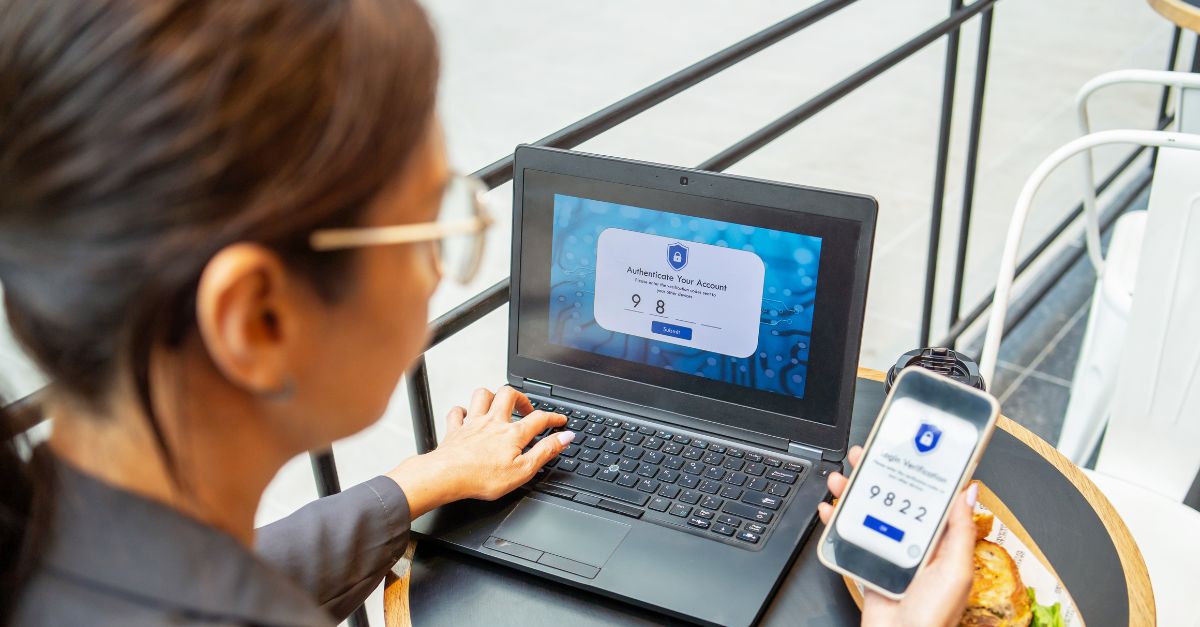
When security measures feel excessive or inconvenient, users start finding shortcuts. They reuse devices, skip verification, or approve prompts automatically. Attackers have learned to weaponize this behavior. Prompt bombing, where users are flooded with login requests until they click “approve” out of frustration, works precisely because MFA fatigue lowers our defenses.
The irony is that MFA was designed to protect against lazy password habits, but now it’s encouraging its own version of digital laziness. Organizations are stuck between enforcing stricter controls and not alienating their workforce. The solution isn’t more alerts, it’s smarter ones.
When Protection Turns Into a Weakness
MFA’s strength depends on trust between user and system. Once that trust erodes, even the best protocols can backfire. Attackers exploit the psychological pressure of constant alerts, tricking users into approving access they shouldn’t. The infamous Uber breach in 2022 is a textbook example: attackers spammed an employee with MFA requests until they relented. One tap later, the network was compromised.
This isn’t an isolated issue. The rise of push-notification MFA has created a false sense of convenience that often overshadows security. Push fatigue leads to conditioned behavior where users tap “yes” without reading the details. It’s a human vulnerability dressed up as a technological safeguard. And the more seamless we make authentication, the more invisible the danger becomes.
Security teams can’t simply “train harder.” Awareness campaigns are helpful, but they don’t solve systemic design flaws. If security requires users to stay alert 24/7, it’s already broken. The answer lies in making MFA smarter, context-aware, and less dependent on constant user input.
The Rise of Smarter MFA: Context and Adaptation
The next generation of MFA isn’t about more factors, it’s about better context. Adaptive MFA, for instance, uses behavioral analytics and device recognition to decide when to challenge a user. If you’re logging in from your usual laptop, on your home network, at your normal time, there’s no need for extra friction. But if you’re connecting from a new device in another country, that’s when MFA should step in.
Contextual authentication cuts down on unnecessary prompts while keeping high-risk activity in check. It treats security like a thermostat, adjusting based on environmental changes instead of staying on full blast. The result? Fewer interruptions, greater trust, and less fatigue.
This approach also dovetails with zero trust architecture, which continuously verifies users instead of assuming trust after one login. The combination reduces the need for excessive MFA prompts while maintaining strong oversight. It’s not about eliminating MFA; there’s still meaningful applications for it to be deployed in. But it’s the question of its use is not about the when, it’s about the how...
Why UX Matters More Than Ever
We rarely think of cybersecurity as a user experience problem, but that’s exactly what MFA fatigue exposes. The interface between humans and security systems determines whether people comply or rebel. Every extra step in a login process feels like a tax on attention, and in the modern workplace; filled with alerts, emails, and meetings, that tax feels heavy.
The best MFA systems make users feel protected, not punished. Biometrics, single sign-on (SSO), and passkeys are steps toward reducing friction without sacrificing safety. They turn authentication into something intuitive rather than intrusive. But too many companies still bolt MFA onto legacy systems as an afterthought, leaving users juggling multiple tokens and passwords.
A more human-centered approach treats usability as a security feature. It acknowledges that people, not policies, are the weakest link—and the strongest defense. When MFA integrates seamlessly with workflow, fatigue fades into the background. When it doesn’t, burnout becomes a backdoor for attackers.
The Role of Education and Culture
Even the most advanced authentication tools fail without a strong security culture, especially in niches like finance. Education must move beyond compliance checklists and into behavioral awareness. Employees should understand not just how to use MFA, but why attackers target it and how fatigue can be exploited. Another good approach is to create a skills matrix and see which team members have the right skillset for each situation (phishing, disaster response, etc.)
But education can’t work in isolation. Security culture starts at the top: just look at what industry leaders like Microsoft are preaching. When leadership models good security practices, and when IT policies respect user time and convenience, employees follow suit. The goal isn’t to make people paranoid; it’s to make them conscious.
Organizations that treat cybersecurity as a shared responsibility rather than an IT burden see better engagement and fewer breaches. MFA fatigue is ultimately a symptom of disconnect: between tech and user, security and workflow. Closing that gap requires empathy as much as expertise.
Conclusion
MFA fatigue isn’t a user problem, it’s a design failure. We’ve built systems that rely on constant human attention in an age of constant distraction. The more alerts we send, the more blind we become to their importance. Attackers know this. They exploit fatigue, familiarity, and our instinct to just “get it over with.”
The path forward lies in smarter, adaptive systems that balance protection with usability. MFA shouldn’t feel like a chore; it should feel like trust made tangible. The ugly truth is that fatigue is real, but it’s also fixable. The future of authentication will belong to those who make security effortless, not exhausting.
Note: This blog article was written by a guest contributor for the purpose of offering a wider variety of content for our readers. The opinions expressed in this guest author article are solely those of the contributor and do not necessarily reflect those of GlobalSign.